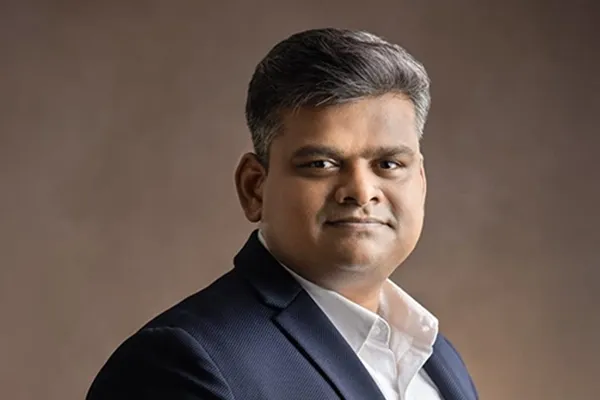
The article highlights how Gen Z brings distinct expectations to the workplace, seeking authenticity from leaders, faster learning cycles, continuous feedback, flexibility, and a strong sense of purpose. Lakshminarayanan emphasizes that these shifts are not temporary trends but signals of a deeper transformation that leaders must respond to with intention and agility.
A key focus of the article is the need for adaptive leadership in multigenerational organizations. Lakshminarayanan underscores the importance of creating environments that balance structure with autonomy, encourage open dialogue, and prioritize psychological safety. He argues that effective leadership today requires moving beyond one-size-fits-all approaches to embrace personalized experiences that resonate across generations.
The piece also outlines practical ways organizations can bridge generational differences through initiatives such as reverse mentoring, inclusive communication practices, flexible career pathways, and technology-enabled collaboration. According to Lakshminarayanan, leaders who successfully navigate this multigenerational mandate will not only strengthen engagement but also build future-ready organizations capable of sustained growth.